
 By
By 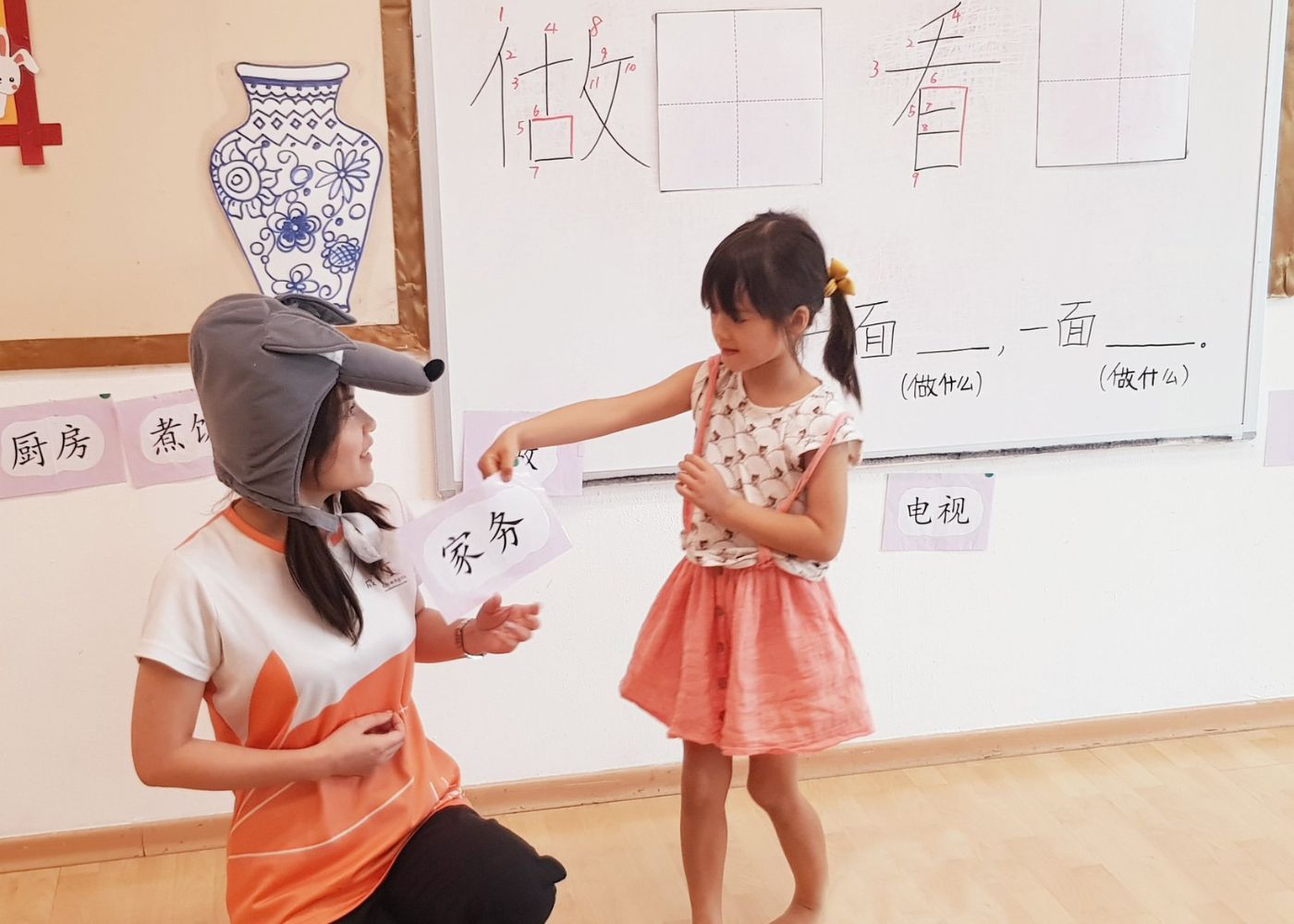
Key Takeaways
- There is no single “best” age to begin primary Chinese tuition; the right timing depends on language exposure, confidence, and learning gaps at each level.
- Early primary tuition focuses on foundations and habit-building, while mid-primary tuition addresses structure, comprehension, and exam technique.
- Upper primary tuition is often corrective and exam-driven, making earlier intervention at an enrichment centre in Singapore more cost-effective and less stressful.
- Parents should decide based on learning needs rather than waiting for grades to decline.
Introduction
Many parents assume that primary Chinese tuition should only start when exam results begin to slip. In practice, this reactive approach often leads to rushed remediation, higher stress levels, and slower improvement. The more practical question is not whether tuition is needed, but when it adds the most value. A level-by-level breakdown provides a clearer framework for deciding when structured support at an enrichment centre in Singapore becomes beneficial rather than excessive.
Primary 1-2: Building Foundations Without Pressure
Chinese learning at the lower primary levels is centred on listening, speaking, and basic character recognition. Children at this stage vary widely in exposure to the language at home. Some are conversationally fluent, while others rely almost entirely on school instruction.
Starting primary Chinese tuition at P1 or P2 is not about chasing grades. It is about forming correct pronunciation, building vocabulary familiarity, and establishing positive learning habits early. A well-structured enrichment centre focuses on short attention spans, repetition, and confidence-building rather than worksheets and drills.
This stage is suitable when a child shows hesitation in speaking Chinese, struggles to recognise common words, or lacks exposure at home. Tuition here is preventative, not corrective.
Primary 3-4: Structuring Language Skills
Middle primary is where the Chinese syllabus becomes noticeably more demanding. Comprehension passages lengthen, sentence construction becomes more complex, and composition writing is introduced with clearer expectations.
This period is often the most effective stage to begin primary Chinese tuition. Children are developmentally ready to understand sentence logic, answer techniques, and structured writing, but habits are not yet entrenched. An enrichment centre at this level typically focuses on comprehension strategies, vocabulary application, and oral response frameworks.
Parents who wait until this stage often find that progress is faster and more sustainable, as tuition reinforces school learning rather than correcting years of accumulated gaps.
Primary 5: Managing Academic Intensity
Primary 5 marks a sharp increase in academic load across all subjects. This level, for Chinese, includes longer comprehension texts, higher-order questions, and composition requirements that demand clarity and coherence.
Starting tuition at this level is common, but it is no longer foundational. Primary Chinese tuition in Singapore at P5 is largely strategic, addressing exam techniques, time management, and common mistakes. An enrichment centre may need to spend additional time undoing ineffective habits, such as literal translation or weak sentence sequencing.
While improvement is still possible, progress may feel slower compared to students who started earlier.
Primary 6: Remedial and Exam-Focused Support
Beginning Chinese tuition in Primary 6 is typically reactive. The focus is on PSLE readiness rather than language development. Lessons are often intensive, exam-oriented, and time-sensitive.
An enrichment centre prioritises answering techniques, scoring strategies, and risk management at this stage. While this can stabilise results, it is rarely the most efficient point to start learning fundamentals. Tuition here serves as damage control rather than long-term skill building.
Conclusion
The right time to start primary Chinese tuition in Singapore depends on a child’s exposure, confidence, and learning pace, not just academic results. Early primary tuition builds habits, middle primary tuition strengthens structure, and upper primary tuition manages exam demands. Parents who view an enrichment centre as a long-term support system rather than a last-minute fix often see steadier progress and lower stress across the primary years.
Visit LingoAce and clarify whether your child needs foundational support, skill reinforcement, or exam-focused guidance.






Comments