
 By
By 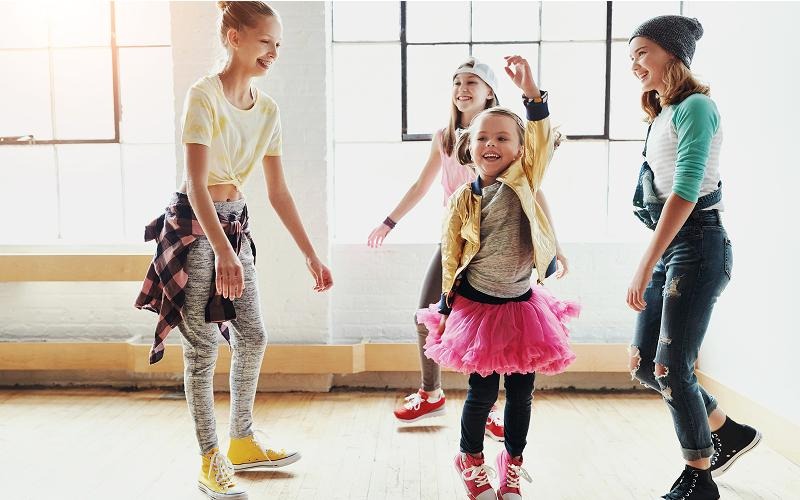
Confidence doesn’t always come from speeches or sports. Sometimes, it comes from a simple step-touch and a bit of rhythm. Signing up for a dance class can do more than just teach kids how to move; it gives them the tools to carry themselves better, speak up, and face challenges without freezing up.
Movement with a Message
In a dance class, kids don’t just follow steps. They learn to take up space, to stand tall, and to be noticed. For children who are shy or unsure, this kind of structured movement offers an outlet without putting them on the spot. Over time, routines that once felt awkward become second nature.
Teens, in particular, benefit from learning to move with purpose. When they walk into a room, the way they carry themselves shifts. They pick up cues about timing, posture, and presence, all subtle parts of confidence.
From First Steps to Stage Lights
Not every student dreams of the stage, but many enjoy the small wins that dance provides. Memorising a routine builds focus. Performing it in front of classmates builds courage. These moments pile up, and soon, self-doubt takes a back seat.
Whether it’s freestyle in hip-hop or the slow grace of ballet classes, the results are visible. A child who once hesitated in group activities now leads warm-ups. A teen who mumbled in presentations now speaks with a steady rhythm. Dance has a way of syncing confidence with movement.
Making Mistakes, Owning Progress
Perfection isn’t the point. Mistakes are part of the choreography. Instructors often guide students to reset and try again, not dwell or apologise. That message sinks in. It tells kids that effort counts more than being flawless.
These lessons stick. A child who trips during a move learns to laugh, get up, and continue. That resilience shows up in school, friendships, and everyday hurdles. A well-paced dance class makes failure feel safe and progress feel real.
Social Skills in Sync
Dance isn’t a solo affair. Classes involve group warm-ups, partner sequences, and team performances. This forces communication, even for the quiet ones. Over time, students learn to give cues, take direction, and support each other.
This is especially true in genres like street or contemporary, where partner work and formations matter. Kids notice that the routine doesn’t work if someone zones out. They begin to value their role and understand how their actions affect others. In some studios, you can interact with other students, maybe even students who are learning instruments from a music class.
Friendships often form naturally in these settings. Shared challenges, post-class chats, and group rehearsals build trust. Even if two kids start awkwardly, by week four, they’re often cracking jokes mid-routine.
ALSO READ: Why Taking Music Classes In Singapore Is A Sound Investment
Structure with Space to Shine
A dance class gives clear rules: be on time, listen, practise, but also gives freedom to interpret moves and express emotions. For kids used to rigid classroom settings, this mix can feel refreshing. There is discipline, but also room for play.
As they progress, students often choreograph their own routines or contribute ideas. Having a say in the process helps them speak up. Even if the suggestion isn’t used, the fact that it was heard matters.
Health Perks with a Confidence Bonus
Physical activity plays a role, too. Moving to music releases tension and boosts mood. Kids who might feel clumsy or unfit begin to build coordination and strength. They see improvement, and that visible growth feeds self-esteem.
Unlike some sports, dance doesn’t demand height or brute strength. There’s a style for every body type, and that inclusion makes it easier for kids to find their place. Confidence doesn’t just come from applause, but from the simple act of showing up and giving it a go.
When to Start and What to Choose
Parents often wonder when to enrol their child. There’s no fixed age, but early exposure helps. Kids as young as four can begin with creative movement or rhythm-based classes. Older children might jump straight into jazz, hip-hop, or even ballet classes depending on interest.
It’s less about age and more about the atmosphere. Look for a studio with patient instructors, small class sizes, and a vibe that’s more about fun than medals. That sets the tone for confidence to grow organically.
Let Them Take the Lead
Watching a child find their rhythm is a quiet kind of joy. Over time, you notice changes, a stronger posture, a firmer handshake, and a voice that doesn’t trail off. These are signs that confidence is taking root.
A dance class may start with steps and beats, but it ends with growth that reaches far beyond the studio. Every move counts, every effort builds.
Visit Best SG Finds to step into the right studio and give your child the confidence to dance through life.






Comments